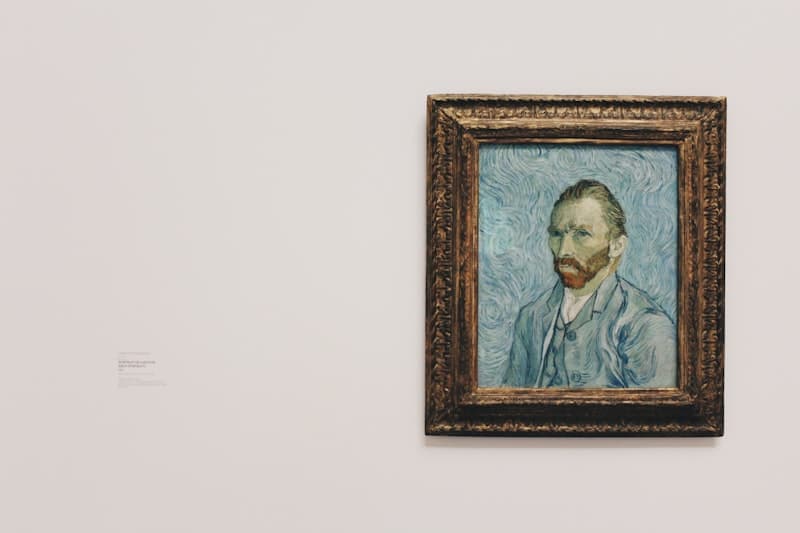
God didn't have to make the world beautiful. He could have created a functional universe in grayscale. But He chose color—infinite variations of hue, saturation, and value. He chose beauty. This tells us something profound about His nature: beauty isn't frivolous to God; it's fundamental. The principles of color theory—harmony, contrast, balance—mirror spiritual truths. Complementary colors create vibrancy through opposition, just as God uses contrast to reveal truth. Analogous colors create harmony through similarity, like the unity of diverse believers. The way light affects color reminds us that everything looks different in God's light. Artists understand that beauty isn't just decoration—it's communication. A sunset doesn't just look pretty; it evokes emotion, creates atmosphere, and points beyond itself. This is what all beauty does: it awakens longing, stirs the soul, and hints at transcendence. When you create something beautiful—whether a painting, a garden, or a well-designed space—you're participating in this divine communication. You're speaking the language God used to reveal Himself in creation. Beauty isn't a luxury or distraction from spiritual things; it's one of the primary ways God reveals His nature and invites us into wonder.
← Back to Blog
Creative SpiritualityMay 28, 20248 min read
Color Theory and the Kingdom: What Beauty Teaches Us About God
The language of color and beauty reveals profound truths about God's nature and kingdom.
By Hilary Williamson
beautycoloraestheticsGod's naturekingdom
Related Articles

The Theology of Creativity: Made in the Image of the Creator
Exploring what it means to be created in God's image and how that shapes our creative calling.

Why God Cares About Your Creative Projects
Your creative work matters to God—not just when it's "spiritual" but in all its forms.

The Spiritual Practice of Making: Creativity as Prayer
Discover how the act of creating can become a contemplative spiritual practice.