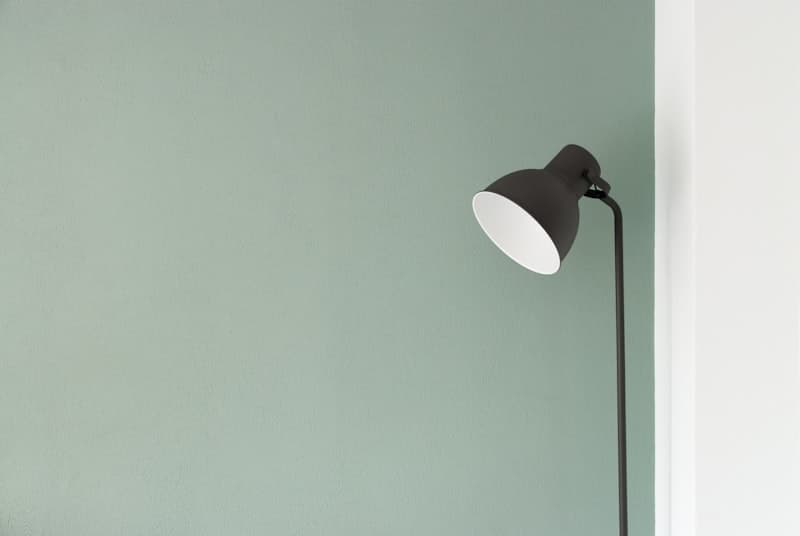
Creativity requires space—not just physical space, but mental and spiritual space. Clutter, whether physical possessions, mental distractions, or spiritual obligations, crowds out the room needed for creative and spiritual work. Minimalism isn't about deprivation; it's about making space for what matters most. When you clear physical clutter, you create room to think and create. When you clear mental clutter through practices like meditation or journaling, you create space for new ideas. When you clear spiritual clutter by releasing obligations that aren't yours to carry, you create space to hear God's voice. Many creatives find that their best work emerges not from having more—more supplies, more time, more resources—but from having less. Constraints force creativity. Empty space invites possibility. This is why many spiritual traditions emphasize simplicity. Jesus had no permanent home, few possessions, and a focused mission. He modeled how freedom from clutter creates freedom for purpose. Making space isn't just about getting rid of things; it's about creating room for what wants to emerge. It's about choosing quality over quantity, depth over breadth, presence over productivity. When you make space in your life, you make room for creativity and God to move.
← Back to Blog
Creative SpiritualityApril 22, 20247 min read
Making Space: How Minimalism Fuels Creativity and Faith
Why less clutter—physical, mental, and spiritual—creates more room for creative and spiritual flourishing.
By Hilary Williamson
minimalismspacesimplicityfocusclarity
Related Articles

The Theology of Creativity: Made in the Image of the Creator
Exploring what it means to be created in God's image and how that shapes our creative calling.

Why God Cares About Your Creative Projects
Your creative work matters to God—not just when it's "spiritual" but in all its forms.

The Spiritual Practice of Making: Creativity as Prayer
Discover how the act of creating can become a contemplative spiritual practice.