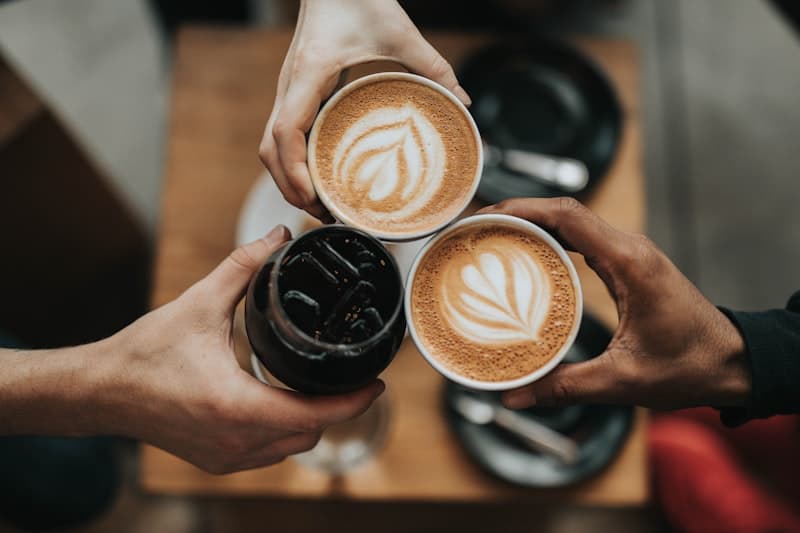
Every habit follows a loop: cue, routine, reward. Understanding this loop is key to building spiritual disciplines that last. The cue triggers the behavior (seeing your Bible on the nightstand). The routine is the behavior itself (reading Scripture). The reward is what your brain gets from it (peace, insight, connection). To build a new spiritual habit, you need all three elements. Choose a clear cue: time of day, location, or preceding action. "After I pour my coffee, I'll read Scripture." Design the routine to be easy at first: start with five minutes, not an hour. Ensure there's a reward: notice how you feel after prayer, journal insights from Scripture reading, or pair the practice with something enjoyable like good coffee. Your brain needs to experience the reward to reinforce the habit loop. Over time, the routine becomes automatic. You don't have to decide to pray; the cue triggers it automatically. This is how spiritual disciplines become sustainable—not through willpower, but through well-designed habit loops. The goal isn't to make spiritual practice feel effortless (it won't always), but to make it automatic enough that you show up consistently, even when motivation is low.
← Back to Blog
Intentional LivingJanuary 25, 20249 min read
The Habit Loop: Building Spiritual Disciplines That Stick
Understanding the neuroscience of habit formation to create sustainable spiritual practices.
By Hilary Williamson
habitshabit loopspiritual disciplinesbehavior changeneuroscience
Related Articles
The Psychology of Small Beginnings: Why Tiny Changes Transform Lives
Understanding how small, consistent actions create lasting transformation through the science of habit formation.

Decision Fatigue and the Spiritual Life
How the psychology of decision-making affects your spiritual practices and what to do about it.

The Power of Morning Rituals: Psychology Meets Devotion
Why how you start your day shapes everything that follows, and how to design a morning practice that sticks.