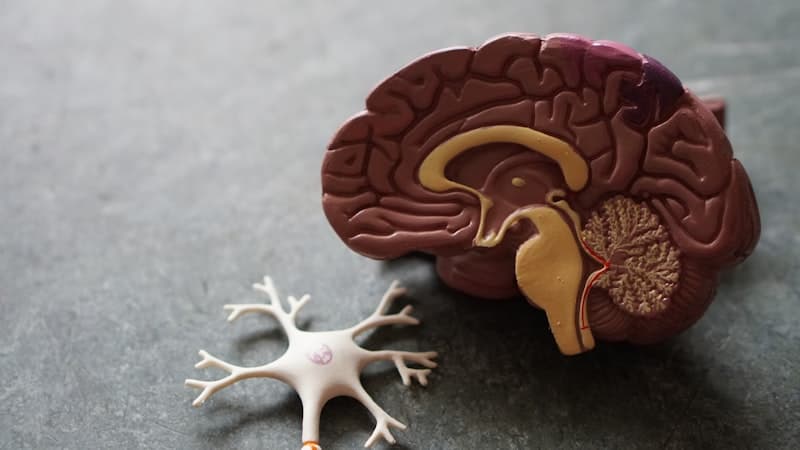
Gratitude isn't just a nice sentiment—it's a powerful practice that physically reshapes your brain. Neuroscience research shows that regular gratitude practice strengthens neural pathways associated with joy, resilience, and emotional wellbeing. When you practice gratitude, your brain releases dopamine and serotonin, creating a positive feedback loop that makes it easier to notice good things in your life. Over time, this rewires your brain's default mode, shifting from a negativity bias to a more balanced, positive perspective. Studies show that people who keep gratitude journals experience measurable changes in brain structure, particularly in areas associated with emotional regulation and stress response. The practice of giving thanks—whether through prayer, journaling, or simple acknowledgment—creates lasting neurological changes that support mental health and spiritual growth.
gratitudeneuroplasticityhappinessbrain sciencepositive psychology