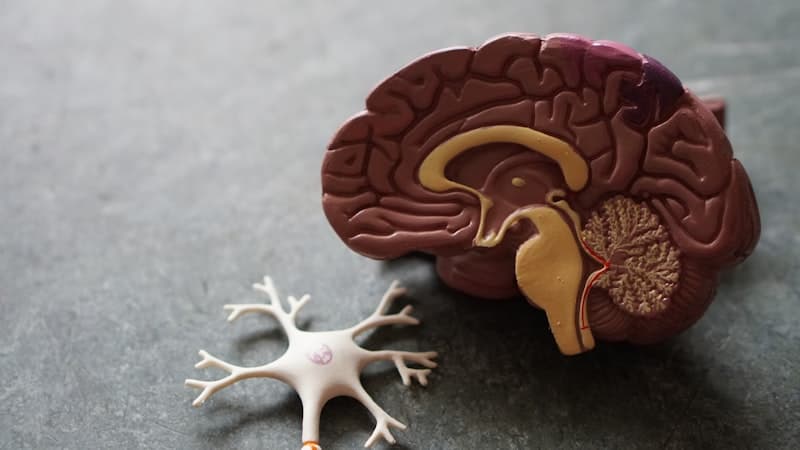
Prayer has been a cornerstone of spiritual practice for millennia, but only recently have we begun to understand what actually happens in our brains when we pray. The intersection of neuroscience and spirituality reveals fascinating insights about this ancient practice.
The Brain on Prayer
When you engage in prayer, multiple regions of your brain activate in a coordinated symphony. Brain imaging studies using fMRI technology have shown that prayer activates the prefrontal cortex—the area responsible for focus and attention—while simultaneously quieting the parietal lobe, which helps create a sense of timelessness and connection to something greater than ourselves.
Key Brain Regions Activated During Prayer
**The Prefrontal Cortex:** This region, associated with focused attention and intention, shows increased activity during prayer. This is the same area that activates when we're deeply concentrating on a task or engaging in meaningful conversation.
**The Limbic System:** Prayer activates emotional centers in the brain, particularly when prayers involve gratitude, confession, or intercession. This explains why prayer can feel emotionally cathartic and healing.
**The Default Mode Network:** Interestingly, contemplative prayer activates the brain's default mode network—the same system that engages during rest and self-reflection. This suggests prayer creates a unique state between active focus and restful contemplation.
The Chemistry of Connection
Prayer doesn't just change brain activity—it alters brain chemistry. Research has shown that regular prayer practice can increase dopamine production, creating feelings of reward and motivation, boost serotonin levels for improved mood and emotional regulation, reduce cortisol (the stress hormone that contributes to anxiety), and stimulate oxytocin release—the "bonding hormone" that creates feelings of connection and trust.
Neuroplasticity and Spiritual Practice
Perhaps most remarkably, consistent prayer practice can actually reshape your brain through neuroplasticity. Just as learning a musical instrument or new language creates new neural pathways, regular prayer strengthens the neural networks associated with emotional regulation, compassion and empathy, stress resilience, focused attention, and a sense of meaning and purpose.
Studies of contemplative practitioners—monks, nuns, and devoted prayer practitioners—show measurable differences in brain structure, particularly in areas associated with attention, emotional processing, and self-awareness.
The Unique State of Prayer
What makes prayer neurologically distinct from simple meditation or quiet reflection? Research suggests it's the relational aspect. When prayer involves communication with God or a higher power, it activates social cognition networks in the brain—the same areas that light up during meaningful conversations with loved ones.
This suggests that prayer isn't just an internal mental exercise; your brain processes it as genuine relationship and connection.
Practical Implications
Understanding the neuroscience of prayer doesn't diminish its spiritual significance—it deepens our appreciation for how God designed our brains to connect with Him. This knowledge can inform our practice.
**Consistency Matters:** Like any practice that reshapes the brain, regular prayer is more transformative than sporadic practice.
**Variety Enriches:** Different types of prayer (contemplative, intercessory, gratitude, worship) activate different neural networks, creating a more comprehensive spiritual and neurological impact.
**Embodiment Enhances:** Physical postures, spoken words, and sensory elements (like lighting candles or using prayer beads) engage more of the brain, deepening the experience.
The Mystery Remains
While neuroscience can show us what happens in the brain during prayer, it cannot fully explain the subjective experience of divine encounter, the sense of peace that surpasses understanding, or the transformative power of answered prayer. The brain is the instrument through which we experience God, but God is not limited to our neurology.
As we continue to explore the fascinating intersection of faith and science, we find that they need not be at odds. Instead, understanding how prayer affects our brains can deepen our appreciation for both the gift of prayer and the intricate design of the human mind.
prayerneurosciencebrain sciencespiritualitymeditation