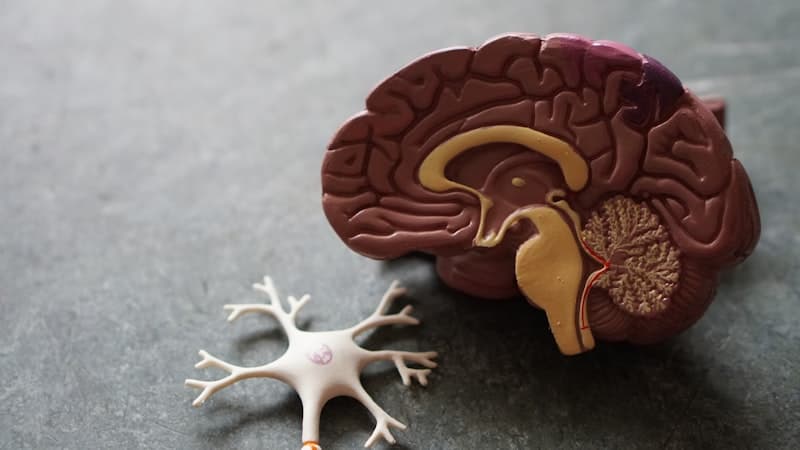
"Do not conform to the pattern of this world, but be transformed by the renewing of your mind." This ancient wisdom from Romans 12:2 aligns remarkably with modern neuroscience's understanding of neuroplasticity—the brain's ability to form new neural connections throughout life. When Paul wrote about renewing the mind, he was describing what we now know as neuroplastic change. Every thought, prayer, and spiritual practice creates neural pathways. Repeated patterns strengthen these pathways, literally changing the structure of your brain. This means transformation isn't just metaphorical—it's biological. When you meditate on Scripture, practice gratitude, or choose faith over fear, you're not just changing your thoughts; you're rewiring your brain. Research shows that spiritual practices can increase gray matter in areas associated with emotional regulation, empathy, and self-awareness. The renewal Paul describes is both spiritual and neurological, demonstrating how faith and science beautifully converge.
neuroplasticityRomans 12:2transformationspiritual growthbrain change