Back to Blog
Faith & NeuroscienceDecember 5, 20249 min read
The Amygdala and Anxiety: How Scripture Calms Your Fear Center
Learn how meditating on Scripture can literally calm the brain's fear response and reduce anxiety.
By Hilary Williamson
Learn how meditating on Scripture can literally calm the brain's fear response and reduce anxiety.
By Hilary Williamson

The amygdala, your brain's alarm system, constantly scans for threats. In our modern world, this ancient structure often overreacts, creating chronic anxiety. Research shows that meditating on Scripture can calm amygdala activity and strengthen the prefrontal cortex's ability to regulate fear responses. When you read verses like "Do not be anxious about anything" (Philippians 4:6) or "Perfect love casts out fear" (1 John 4:18), you're not just receiving comfort—you're engaging in a neurological intervention. Repeated exposure to these truths, especially when combined with slow breathing and contemplation, reduces amygdala reactivity over time. Brain scans show that people who regularly meditate on Scripture have stronger connections between the prefrontal cortex and amygdala, meaning better emotional regulation. This is neuroplasticity in action: your brain physically changes in response to the truth you feed it. Scripture memorization and meditation aren't just spiritual disciplines; they're evidence-based interventions for anxiety.
Keep reading
More reflections from the same theme.

Discover the fascinating brain activity that occurs during prayer and how it impacts your mental and spiritual wellbeing.
Read More
Scientific research reveals how practicing gratitude creates lasting changes in your brain, leading to increased happiness and resilience.
Read More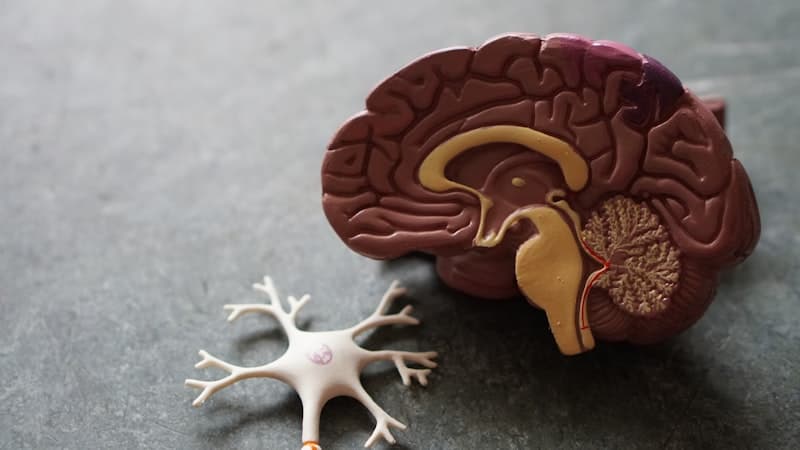
Romans 12:2 takes on new meaning when we understand how our brains can be transformed through intentional practice.
Read More