Back to Blog
Faith & NeuroscienceNovember 2, 20248 min read
The Default Mode Network: Why Your Mind Wanders to God
Discover the brain network that activates during rest and how it relates to spiritual awareness.
By Hilary Williamson
Discover the brain network that activates during rest and how it relates to spiritual awareness.
By Hilary Williamson

When your mind wanders during a quiet moment, a specific brain network activates: the default mode network (DMN). This system, which includes the medial prefrontal cortex and posterior cingulate cortex, is active during rest, daydreaming, and self-reflection. Interestingly, the DMN also activates during prayer and spiritual contemplation. Research shows that people with strong spiritual practices have different DMN patterns than those without. Their minds naturally wander toward meaning, purpose, and transcendence rather than worry or rumination. This suggests that regular spiritual practice literally rewires your brain's default state. When you're not focused on a task, your mind doesn't just wander randomly—it gravitates toward what you've trained it to consider. If you regularly practice God's presence, your DMN becomes attuned to spiritual awareness. This is why Brother Lawrence could "practice the presence of God" while washing dishes—his default mode network had been shaped by years of contemplative practice.
Keep reading
More reflections from the same theme.

Discover the fascinating brain activity that occurs during prayer and how it impacts your mental and spiritual wellbeing.
Read More
Scientific research reveals how practicing gratitude creates lasting changes in your brain, leading to increased happiness and resilience.
Read More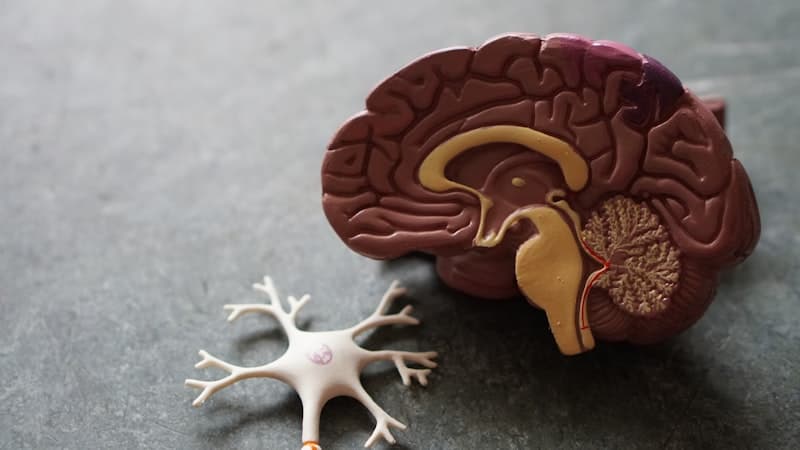
Romans 12:2 takes on new meaning when we understand how our brains can be transformed through intentional practice.
Read More