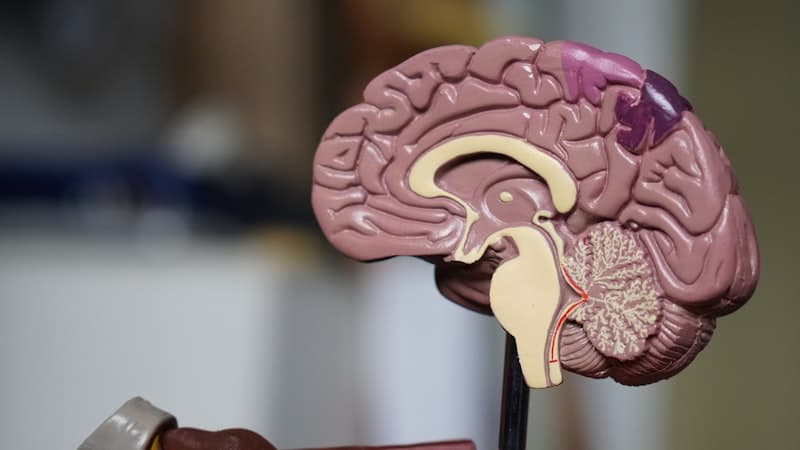
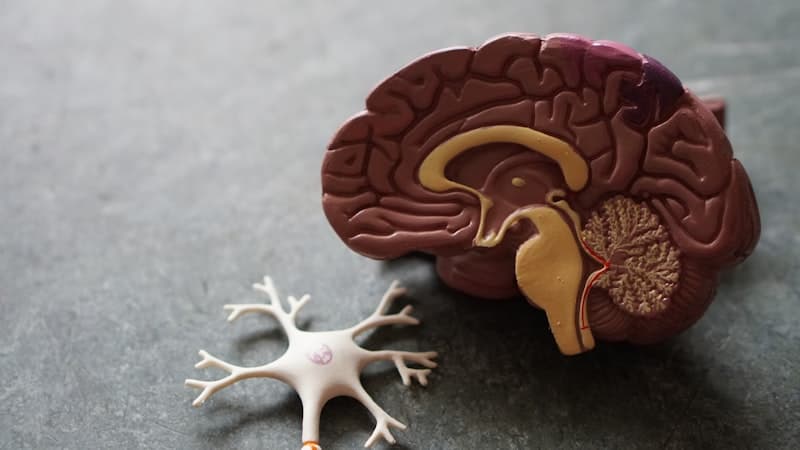
Dopamine, often called the "motivation molecule," plays a crucial role in spiritual disciplines. When you engage in prayer, worship, or Scripture reading, your brain releases dopamine—not as manipulation, but as God's design for reinforcing life-giving practices. Understanding this can transform how you approach spiritual disciplines. Dopamine is released both in anticipation of reward and upon receiving it. This means that looking forward to your quiet time with God creates a neurochemical response that makes the practice more sustainable. However, dopamine can also drive unhealthy patterns if we're not careful. The key is cultivating intrinsic motivation (devotion for its own sake) rather than extrinsic rewards (devotion for what we get from it). Research shows that practices done with genuine desire create more sustainable dopamine patterns than those done from obligation. When you find joy in God's presence, your brain's reward system reinforces that pattern, making devotion feel less like duty and more like delight. This is the neuroscience behind Psalm 37:4: "Delight yourself in the Lord."
dopaminespiritual disciplinesreward systemhabitsdevotion