Back to Blog
Faith & NeuroscienceNovember 18, 20247 min read
Memory and Faith: Why We Remember God's Promises
The neuroscience of memory reveals why remembering God's faithfulness is so central to spiritual practice.
By Hilary Williamson
The neuroscience of memory reveals why remembering God's faithfulness is so central to spiritual practice.
By Hilary Williamson

Throughout Scripture, God commands His people to remember—remember the Exodus, remember His promises, remember His faithfulness. Neuroscience reveals why this practice is so powerful. The hippocampus, your brain's memory center, doesn't just store facts; it creates emotional associations and patterns. When you intentionally remember God's past faithfulness, you strengthen neural pathways that support trust and hope. Each time you recall how God provided, protected, or guided you, you reinforce connections between memory and faith. This is why practices like journaling answered prayers or celebrating spiritual milestones are so transformative—they create strong memory traces that your brain can access during difficult times. Research shows that positive memory recall activates reward centers and reduces stress hormones. When you remember God's promises, you're not just thinking about the past; you're shaping your brain's response to the present and future. Memory is the bridge between past faithfulness and present faith.
Keep reading
More reflections from the same theme.

Discover the fascinating brain activity that occurs during prayer and how it impacts your mental and spiritual wellbeing.
Read More
Scientific research reveals how practicing gratitude creates lasting changes in your brain, leading to increased happiness and resilience.
Read More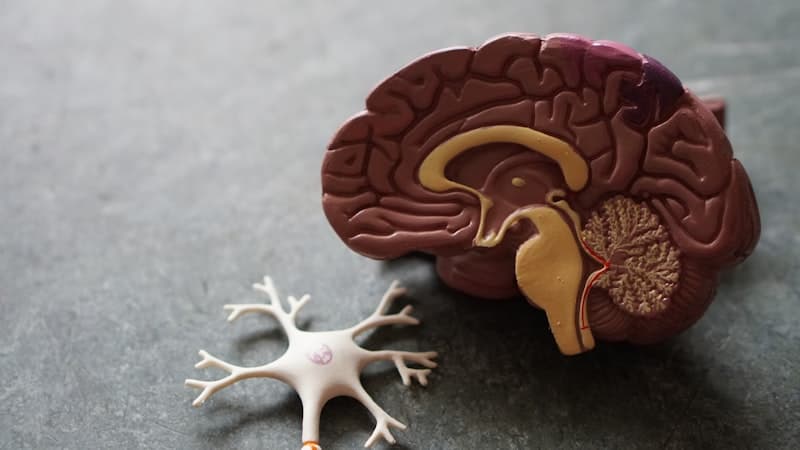
Romans 12:2 takes on new meaning when we understand how our brains can be transformed through intentional practice.
Read More