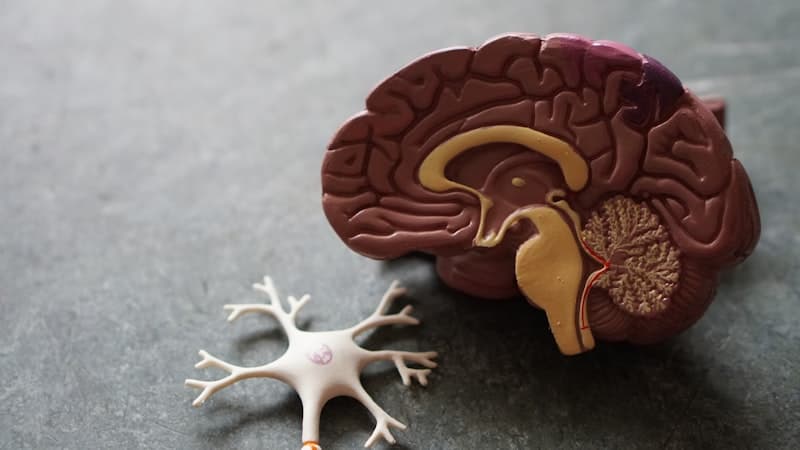
Hope activates the same reward circuits in your brain as achieving a goal. When you hope—truly hope—your brain releases dopamine in anticipation of future good. This isn't just positive thinking; it's a neurological state that affects your entire system. Research shows that people with strong hope (what psychologists call "dispositional optimism") have more active ventral striatum and prefrontal cortex regions—areas associated with goal-directed behavior and emotional regulation. Biblical hope, which is confident expectation rather than mere wishing, creates even stronger neural activation because it's grounded in relationship and promise rather than circumstance. When you place your hope in God, you're not just thinking positively; you're activating neural pathways that support resilience, motivation, and emotional wellbeing. Hope literally changes your brain's chemistry and structure, making you more capable of persevering through difficulty.
hopefaithreward systemdopaminepositive psychology